Every well-watered landscape you appreciate has something alike: a zoning plan that matches plants, soil, and water to the genuine conditions on the ground. When zones are guessed as opposed to made, you see the after effects quickly. One location drowns, the various other scorches, the water bill spikes, and all the initiative that went into the backyard loses its side by summer. Excellent zoning avoids those migraines. It gives you predictable protection, healthier plants, lower costs, and fewer calls for lawn sprinkler fixing when the period warms up.
I have strolled countless feet of trench and checked into much more shutoff boxes. The installs that stand in time always start with careful zoning. That indicates determining stress and flow, choosing go to matched precipitation, grouping plants by water demand, and transmitting pipeline with an eye for friction loss, serviceability, and future adjustments. It is practical work, yet the decisions are where craft meets judgment.
What a zone actually is, and why it matters
An area is a controlled circuit of irrigation heads or emitters that run at the same time from a single shutoff. You construct areas so each circuit can use roughly the very same amount of water throughout comparable plants, soil, and sun direct exposure. That sameness is not simply a benefit. It enables a controller to water different components of the residential property at different regularities and periods, based upon what the plants and microclimates require.
If you placed a shady fescue lawn and a warm, south-facing rosemary bush on the same zone, you will waste water and punish at least one of the growings. Separate them, and you can run the lawn three mornings a week at brief periods to prevent overflow, while the rosemary gets a deep session every 7 to 10 days.

Zones additionally maintain you inside the hydraulic restrictions of the system. A household water meter on a half-inch or three-quarter line with 50 to 70 psi fixed pressure can typically support just a handful of spray or blades heads at the same time. Zone intending respects those limitations so heads pop up cleanly, spray patterns stay constant, and the pump or local major does not struggle.
Walk the website like a detective
On paper, many whole lots look easy. In person, they contain traits. Begin with a slow-moving stroll around, notepad and stress scale in hand. Keep in mind the quality modifications, the wind patterns in late mid-day, the locations by the driveway, the color under fully grown trees. Take images and mark the sun course throughout the day if you can. Dirt structure will certainly tell you about seepage and percolation, so dig a couple of little openings. Sandy loam ingests water rapidly and dries quick, clay takes it gradually and holds it longer. Roots near the surface or a thatch-heavy yard modification how water moves too.
Do not miss the water resource. At an exterior hose bib or test port, document static pressure. After that step flow. The easiest approach is timing how long it takes to fill an adjusted pail wide open, though a flow scale is cleaner. If a three-quarter line loads a 5 gallon pail in 20 secs, you have around 15 gpm available at that point. It is a harsh figure, however sufficient to dimension zones cautiously. Examine pressure once more when your home is active in the evening. If it visits greater than 10 to 15 psi, plan for that reduced figure.
Look for existing constraints. Tight side backyards restrict trenching and head spacing. Driveway crossings add cost. If there is an older system on website, document where the major and lateral lines run, and which heads tend to obstruct or sputter. That history guides both new lawn sprinkler setup and lasting sprinkler maintenance.
Pressure, circulation, and rubbing: the backbone math
You can create by general rule and it may help a flat, open grass with ample water. Anywhere else, do the math. 2 numbers matter on every zone: readily available vibrant stress ahead, and the gallons per minute the area will carry.
Start from gauged fixed stress. Subtract losses that are constantly existing: the pressure drop across your master valve or backflow preventer, the valve itself, and rubbing along the longest run of pipe to one of the most remote head. After that subtract the minimum stress each head requires to do as specified. For typical sprays, that is commonly 30 psi. For rotors, 40 to 60 psi depending on design and radius.

Here is a fast sketch for a solitary area of 4 rotors. Fixed pressure at the source is 65 psi. The heartburn prices around 12 psi, the control shutoff 3 to 5 psi. Call it 16 psi integrated. The longest lateral run is 120 feet of one-inch poly or PVC. At 8 gpm overall flow, friction loss might be in the variety of 3 to 5 psi, depending on pipe kind and installations. That leaves concerning 65 minus 16 minus 5, so 44 psi at the heads. If your blades require 45 to toss a complete 35-foot radius, you are on the edge. Bump the pipeline dimension, reduce the variety of heads per zone, make use of pressure-regulated heads, or reduce the toss with different nozzles. Do not squeeze resistance even if it virtually pencils. Margins save you when a filter obtains dirty or the city does a main repair.
Sizing zones by gpm is simple, however bear in mind diversity. If four flexible rotors with mid-size nozzles attract 2 gpm each, running all 4 pulls 8 gpm. Include a 5th and you press to 10 gpm. If your meter and service can support 12 gpm without a huge pressure drop, that may still function, but valve loss and friction grow. It is normally much better to divide right into two cleaner, balanced circuits than to compel one fat area that falls off as soon as problems change.
Matching heads to precipitation, not simply to radius
Head choice is not purely about how far the water requires to reach. It has to do with just how fast it lands. Blending sprays with blades in one area is an usual error. A quarter-turn spray nozzle may apply 1.5 to 2 inches per hour. An equipment rotor with a mid-size nozzle might take down 0.4 to 0.6 inches per hour. If you run them together, either the rotor area stays completely dry or the spray location obtains swampy.
Use heads with matched rainfall prices across an area. That can suggest all sprays with matched nozzles on a small, irregular yard, or all rotors on a larger, open turf location. Drip belongs with drip, and micro sprays with micro sprays. Keep arc modifications in mind. A half-circle nozzle must use the very same deepness to its half-moon as a full-circle does to its whole, which implies the fifty percent attracts regarding half the flow. Reputable nozzle sets are engineered for that. Cheap inequalities expense water and evenness for years.
Head-to-head coverage still matters. Patterns needs to overlap to make sure that each point on the lawn obtains water from a minimum of two heads, ideally three. Wind, pressure variants, and little obstructions will not crater your harmony if those overlaps exist. If dominating wind presses constantly from one instructions in the mid-day, tighten up spacing slightly upwind or change run times to earlier early morning when wind is calmer.
Hydrozoning: organizing plants by just how they drink
Hydrozoning is simply a technical means to claim watering like with like. Turf requires constant, modest dosages due to shallow origins and evapotranspiration. Bushes and perennials prefer deeper, much less frequent soaks that urge strong origins. Native or xeric plantings may not desire extra water beyond facility other than during long droughts.
On a 7,000 square foot whole lot with a front lawn, combined bush borders, and a side vegetable yard, I typically end up with at the very least five to 7 zones. The front lawn may be 2 spray zones to maintain gpm small and pressure healthy and balanced. The shrub boundaries become one or two drip zones with pressure policy and filtration. The vegetable beds get their own drip manifold with valves for seasonal control. A narrow strip along the driveway with shown warmth obtains a small different spray area. That last one matters. It is the sort of microclimate that sheds while close-by locations flourish, and splitting it out conserves callbacks for lawn sprinkler repair work later.
Pipe design that serves hydraulics and service
The routing that looks shortest on a sketch is not constantly the very best in the trench. Tee into the main in a way that shares lots between side branches, not in a lengthy sissy chain that deprives the last heads. When a zone has heads at different altitudes, position the valve to ensure that fixed stress does not remain on the downstream low heads throughout the day. Examine shutoffs in the bodies can quit reduced head water drainage, however layout helps too.
I like to construct shutoff manifolds where they can be found and serviced without a shovel battle later on. Provide package breathing room over hardscape and out of aggressive origins. Tag valves with embossed tags or a long lasting map inside the cover. It appears fussy on install day, but five years later on when a solenoid stops working or a cable gets nicked, the person doing the lawn sprinkler repair service will say thanks to you.
Pipe sizing deserves a min. On tiny tasks, many installers run one-inch major laterals, three-quarter laterals to heads, and half-inch swing joints. That pattern works if flows are reduced and runs are short. If a lengthy rotor zone presses above 8 to 10 gpm, tip the main run to inch and a quarter or decrease headcount per zone. Fittings include friction, so sweep where you can and maintain ninety-degree turns to what the layout really needs.
Pressure guideline ahead and valve
Pressure-regulated sprays and blades have actually developed. Use them, especially on local supplies where stress can surge over 70 psi over night. A controlled spray readied to 30 psi protects the nozzle pattern and minimizes misting that drainages and invites drift. Regulatory authorities at the valve can help, yet they constant pressure for the entire area, not head https://www.aquabrightllc.com/ by head. On sloped ground where heads at the bottom see even more pressure than heads on top, body-level policy evens delivery.
This is not indulgent gear. When misting drops application uniformity, house owners chase after completely dry spots with longer run times. That burns water and usually does not fix the pattern. Thoughtful law repays in the initial period for several systems.
Slopes, soil, and cycle soak
Water runs downhill faster than origins can absorb it on clay soils and any kind of incline over a few levels. Cycle soak shows is the solution. Rather than one 12 minute run, damage it right into three 4 min cycles with 30 to 60 mins between. The first pass moistens the surface area and starts infiltration. The second permeates. The 3rd fills the account without overflow. On sandy dirts, you might not require it. On combined dirt, attempt it on the sunniest slopes initially and observe.
Head placement on inclines must decrease overspray onto hardscape. Use check shutoffs to avoid nadirs from weeping after each cycle. In high-erosion locations, switch grass to a groundcover or redesign that zone with low-precipitation blades to slow the application rate.
Drip where it fits, and exactly how to keep it clean
Shrub borders and veggie beds do their finest deal with drip. The consistent distribution to the root zone, the lack of evaporation from spray, and the easy customizing to plant spacing make it a strong option. A drip area requires a filter and a stress reducer upstream of the valve or right away after it. A lot of emitters are rated for 20 to 30 psi, and performance crumbles above that array. Tidy the filter at the very least two times a season. If you see emitters slowing, the filter is your first check before scheduling lawn sprinkler repair.
Layout matters right here also. In woody beds, run dripline two to three inches below compost, not bare ahead. In vegetables, surface lines under compost are great since you will reconfigure each period. Avoid long solitary runs that deprive the final emitters. Looping a bed circuit back to itself aids balance pressure and circulation so distant plants consume alcohol as well as those near the valve.
Controller method that appreciates zones and seasons
Once zones are mapped to plant need and hydraulics, the controller ends up being uncomplicated. The routine must mirror rainfall rates, soil, and weather. For spray grass areas in a pleasant summer season, I commonly start with three mornings per week and insert cycle saturate sections to avoid drainage. For blades on larger grass, 2 to 3 days usually suffice if the runtime reaches the account. For hedge drip, deep watering once a week to every 10 days prevails, more often while plants establish.
Smart controllers with weather inputs save time, yet they do not replace great zoning. If the underlying areas mix plants with very different demands, no formula can make both satisfied. If you adopt a weather-based controller, inspect the produced runtimes versus your very own rainfall price calculations. Several default setups are hopeful genuine soil and wind.
Commissioning a new system the appropriate way
I like to budget a committed half day to payment. Flush mains and laterals prior to setting up nozzles. Run each zone on handbook and observe. Are heads upright and at quality? Do they pull back cleanly without sticking? Is insurance coverage head to head, without any darkness along edges? Use flags or paint to mark weak spots and readjust while the trenches are still soft. Establish the controller with conservative runtimes and calendar suggestions for seasonal checks. Photo valve boxes, controller circuitry, and any type of weird directing before backfilling whatever that is still open. Those pictures are gold for later lawn sprinkler maintenance.
I avoid fertilizing or seeding on the same day as initial watering. Let the ground resolve a week, review adjustments, and confirm that soil moisture matches the planned runtime. Superficial wetting is an indication to extend cycles or shift to cycle soak.
A planning process you can rely on
- Measure static pressure and flow at the source, then keep in mind evening stress and any big decreases under household load. Map sun, wind, incline, soil appearance, and plant groupings, after that illustration hydrozones based upon comparable needs. Select head types and nozzles for matched precipitation, set preliminary spacing for neck and neck coverage, and size areas by gpm and required pressure. Lay out keys, laterals, and valve areas to balance friction losses, relieve future service, and stay clear of low head drainage. Commission with flushing and on-site changes, after that set controller programs that mirror precipitation rates, dirt, and period, with pointers for review.
This is portable, however the order issues. If you jump straight to head spacing before flow and pressure, you will certainly chase after issues with bandaids that cost labor later.
Edge situations that separate a good plan from a terrific one
Narrow strips along driveways and pathways are where overspray wastes the most water and annoys next-door neighbors. Use short-radius nozzles with tight arcs and stress policy. Better yet, where turf is just a couple of feet wide, reassess whether it must be lawn at all. If the client urges, dripline under sod can work, however it demands mindful setup and attentive maintenance to maintain origins from pinching lines.
Wind hallways in between homes or along open hills request for reduced trajectories and morning watering. High arcs look pretty yet shred in a wind. On seaside sites with salt air, stainless risers and corrosion-resistant shutoff boxes are not luxury. Repaint markers discolor and plastic screws seize. Pick products you or someone else can service seven years on.
If water quality is poor or full of penalties, placed a bigger filter on the main and smaller sized filters on drip zones. Clogged heads are a continuous ticket for lawn sprinkler repair service calls, and the origin is commonly particles captured upstream. Filters you can accessibility and clean without devices get preserved. The remainder do not.
Retrofitting older systems: where to push and where to live with it
Many jobs are not empty slates. You acquire zones with a lot of sprays, dissimilar blades, and wiring you would certainly not trust. Begin by recording what is there and what in fact functions regardless of the wrongs. A useful retrofit might change the worst heads with matched rainfall designs, include pressure-regulated bodies where misting is rampant, and divided an overloaded zone into 2 by adding a shutoff and a brand-new lateral. You are not obliged to perfect proportion. Concentrate on the changes that open much better control first.
Controllers are commonly the most affordable upgrade with the quickest benefit. Move from a solitary timetable to numerous programs with cycle soak and seasonal change. After that song precipitation by head swap. Save trenching and new pipe for the areas that genuinely can not be balanced or else. Your long-term lawn sprinkler upkeep plan ought to consist of a roadmap to resolve remaining weak points over a couple of periods, paired with plant updates that reduce water need in the hardest zones.
Maintenance that keeps zones honest
A system drifts. Nozzles obstruct a little, turf expands over heads, shrubs block spray, and controller setups creep. Put maintenance on the calendar.
- Spring: examination each area, clean filters, increase resolved heads to quality, and verify controller day and programs. Mid-summer: observe coverage at night when indicators of anxiety appear, clean or replace clogged up nozzles, and adjust runtimes for warmth spikes. Early fall: decrease runtimes with shorter days, look for leakages that grew under peak period stress, and note any type of plant adjustments that recommend re-zoning following year. Winterization where required: drainpipe and burn out lines, open valves to ease stress, and cap off any kind of heads in danger of damage while dormant.
When you do locate problems, fix root causes, not simply signs and symptoms. If a patch browns each August, do not only extend that zone's runtime. Ask whether it remains on a bump that loses water, or whether the neighboring tree origins have actually enlarged, or if wind changed after a new fencing entered. Exact sprinkler repair begins with accurate observation.
Water budget plans and customer expectations
Every residential property has restraints on budget, water supply, and the owner's hunger for treatment. Level early. If the water service can just supply 10 gpm and the client desires a lavish 5,000 square foot yard plus approach a tight whole lot, the design will certainly imply extra areas, smaller head collections, and much longer overall watering home windows. That is not an imperfection. It is physics. A clear strategy with accurate runtimes, maintenance checkpoints, and price of procedure will prevent dissatisfaction in July.
Phasing can help. In year one, divided the worst blended area, correct pressure ahead, and include a controller that supports several programs. In year 2, replace the remainder of the mismatched nozzles and repair the pipe layout that suffocates the back yard. In year three, reshape the slim strips that hemorrhage water. A clear path beats a brave single-season reconstruct on a tight budget.
A case from the field
An edge lot with 60 psi static stress, three-quarter solution, a 1,200 square foot front grass, mixed shrubs, and a warm side strip by the driveway. The existing system had one shutoff running the entire front with 6 sprays and 4 rotors mixed with each other. The home owner whined that the pathway was always wet while two yard edges browned by August. The controller had actually one taken care of routine for everything.
We determined regarding 12 gpm practical circulation without a huge pressure decline. The solution was not unique. We divided the front into two zones: sprays just on the yard, rotors moved to a bigger back grass where they belonged. The warm side strip acquired its own short-radius spray zone with pressure-regulated bodies set to 30 psi and limited arcs. We changed the mismatched nozzles with a matched set and re-spaced heads for correct overlap. The bushes moved to a drip area with a 150 mesh filter and a 25 psi reducer.
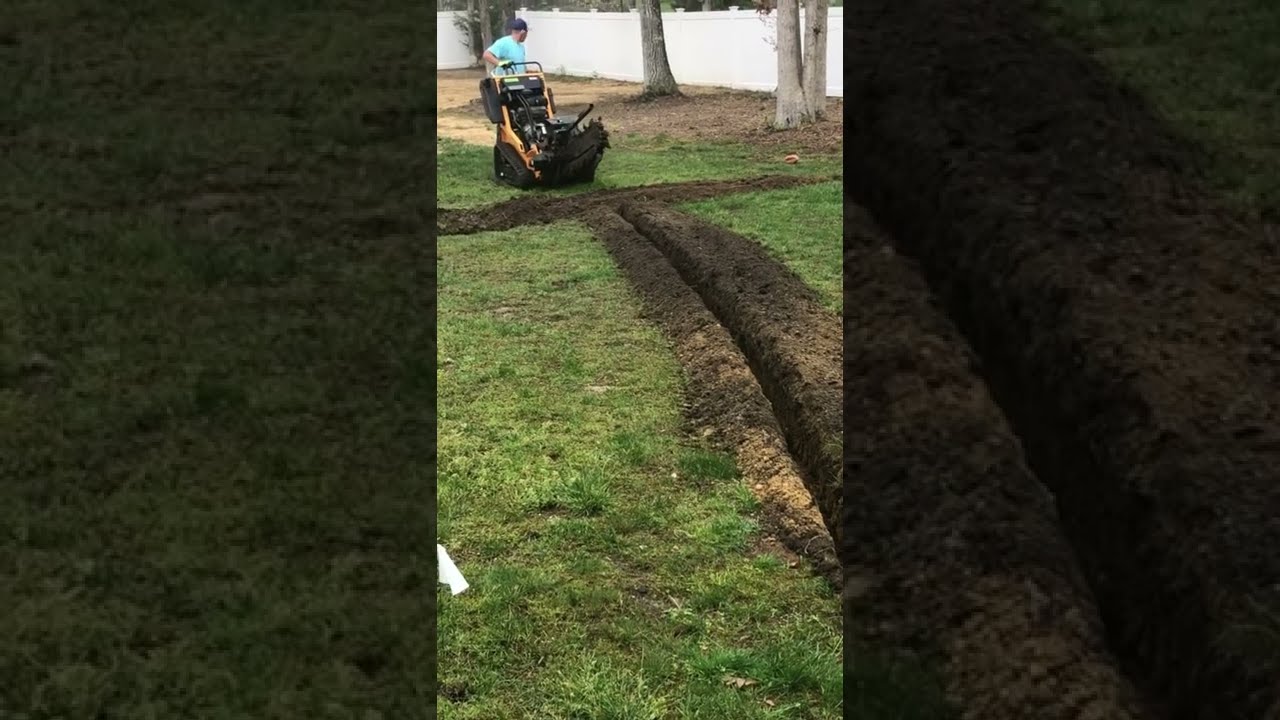
Runtime altered also. Lawn sprays ran 3 early mornings a week with cycle saturate sectors to avoid runoff on the slight incline. The hot strip got an additional minute per cycle on the windiest days, controlled by a different program. The drip ran every 7 to 10 days for longer soaks. The sidewalk quit glistening, the browned edges filled out, and the house owner's water expense went down significantly. Most notably, summer season calls for lawn sprinkler repair work dropped to one quick nozzle swap after a lawn mower nick, instead of the waterfall of band-aid adjustments from years prior.
The craft remains in the choices
Zone planning is a discussion between hydraulics, plants, and location. You can discover solutions for rubbing loss and nozzle charts for precipitation, and you ought to use them. The hard part is applying those numbers to a certain lawn with its own winds, dirts, and owners. Place blades where they belong and maintain sprays with sprays. Team plants that drink alike. Dimension pipe kindly on futures. Regulate stress before it creates misting. Use drip where it fits the roots and the maintenance reality. Commission systems with care and review them as seasons change.
If you construct zones with this kind of attention, the system waters uniformly without drama. The controller comes to be a fine receiver, not a prop. Lawn sprinkler installment feels calmness, lawn sprinkler maintenance obtains lighter, and lawn sprinkler repair becomes unusual, short, and predictable. That is the reward for a plan that respects both numbers and the ground under your boots.